

Part 1: Is It Legal to 3D Print Figures? Understanding Copyright & Intellectual Property
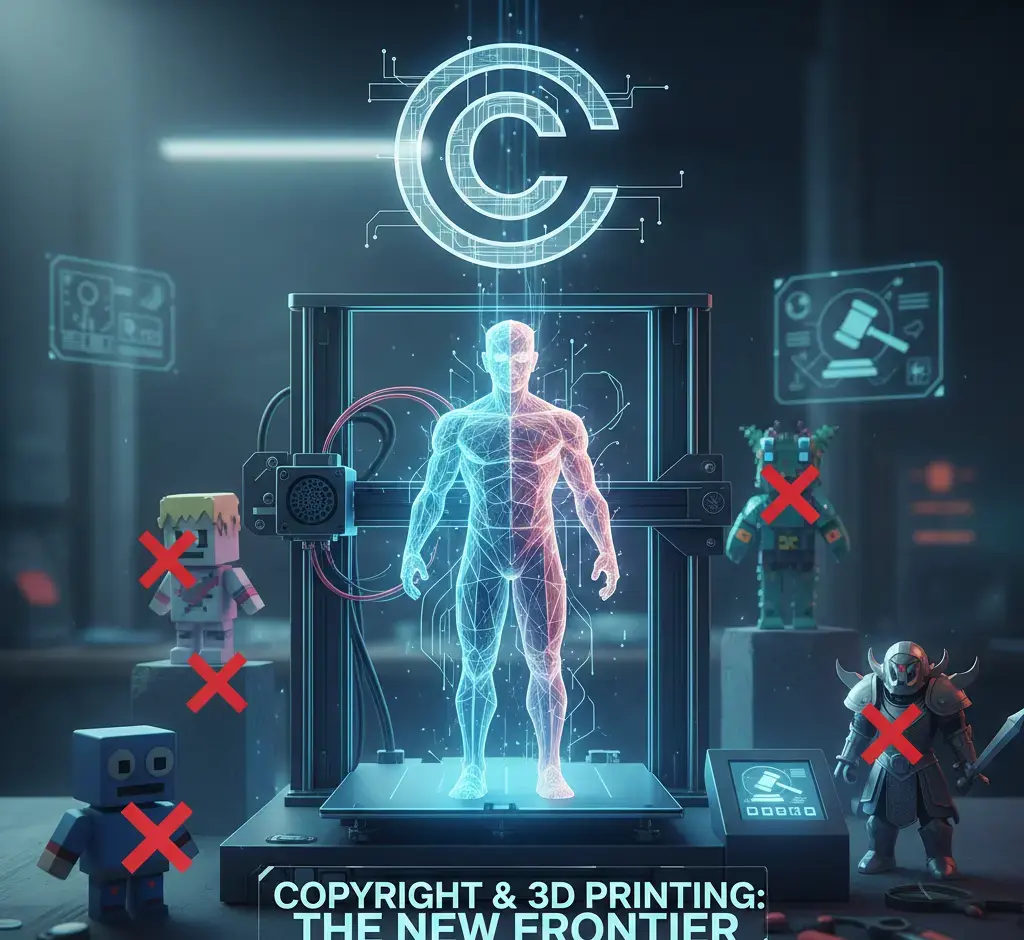
In 2026, 3D printing has moved from a niche hobby to a global manufacturing revolution. However, this democratization of production brings a complex legal challenge: 3D printing copyright laws. Whether you are printing a fan-favorite superhero or a specialized tabletop miniature, you are interacting with International Intellectual Property (IP) laws. In this first part, we will explore the boundaries of legal printing and where copyright infringement begins.
The Pillars of Intellectual Property in 3D Printing
When you print a figure, you are dealing with three main types of legal protection:
- Copyright: Protects the artistic expression of the character (e.g., the specific look of Spider-Man).
- Trademark: Protects brand names and logos (e.g., the “Star Wars” logo or the Batman cowl shape).
- Patents: Usually relates to the functional mechanics of the printer or specific industrial designs.
Most hobbyists fall into the “Copyright” category. If you print a character owned by a corporation like Disney or Nintendo without permission, you are technically creating an unauthorized copy of their protected work.
Personal Use vs. Commercial Use
The legal “safe zone” is usually defined by your intent:
- Personal Use (Fair Use): Printing a figure for your own shelf, with no intent to sell, is generally tolerated under “Fair Use” or “Private Copying” exceptions in many jurisdictions. While not explicitly “legal” in every country, rights holders rarely pursue individuals for home hobby use.
- Commercial Use: The moment you exchange a 3D-printed figure for money—or even use it to promote your business—you enter a high-risk zone. Selling unauthorized figures is a direct violation of IP laws and can lead to heavy fines.
The Role of the 3D Artist
Every STL file has two layers of ownership. There is the Character Owner (e.g., Warner Bros) and the 3D Artist who sculpted the digital file. Even if a model is “Free to Download,” it does not mean it is “Free to Sell.” Artists usually release files under Creative Commons (CC) licenses, which often strictly forbid commercial redistribution.
In the second part of our series, we shift from theoretical law to practical business. The most common question in the industry is: “Can I sell 3D prints legally?” While the short answer is “it depends,” 2026 has brought much clearer pathways for makers to monetize their machines without fear of a lawsuit.
Part 2: Commercial Success: How to Sell 3D Prints Legally
Transitioning from a hobbyist to a professional maker requires a shift in how you acquire your models. If you intend to list items on platforms like Etsy, eBay, or your own Shopify store, simply finding a “cool file” on the internet is not enough. You must secure the Right to Sell.
The Power of the Merchant License
The most sustainable way to build a 3D printing business in 2026 is through Merchant Licenses. Most professional 3D sculptors on platforms like Patreon, MyMiniFactory (Tribes), or Cults3D offer a specific tier for commercial users.
- How it works: You pay a monthly subscription fee to the artist.
- What you get: The right to sell physical 3D prints of their designs for as long as your subscription is active.
- The Documentation: Most reputable artists provide a digital certificate or a “Merchant ID” that you can display on your store to prove your authorization.
The “Fan Art” Trap: Why an Artist’s License Isn’t Enough
This is the most critical area where new sellers fail. If a 3D artist creates a model of a Pokemon and sells you a “Merchant License,” that license only covers the artist’s work—not Nintendo’s intellectual property.
Warning: Even with an artist’s permission, the original brand owner (Disney, Marvel, etc.) can still issue a DMCA Takedown or sue you for trademark infringement. To be 100% safe, stick to “original” designs created by artists that do not mimic existing movie or game characters.
Safe and Profitable Niches for 2026
If you want to avoid legal headaches entirely, focus on these categories for selling 3D prints legally:
- Tabletop Gaming (Original IP): Thousands of artists create original dragons, warriors, and terrain specifically for D&D and similar games with clear commercial licenses.
- Functional Gadgets: Wall mounts, tool organizers, and home decor items are rarely protected by character copyrights.
- Public Domain Art: Printing famous sculptures (like the David) or historical artifacts is legal because the copyright has expired.
Business Compliance and Quality Standards
Selling a print makes you a manufacturer. In 2026, consumer safety laws are stricter regarding 3D printed products, especially toys. Ensure your materials are non-toxic and that you are registered as a business entity in your local jurisdiction to separate your personal assets from your business liabilities.
Part 3: Takedowns and Legal Protection: Keeping Your Business Safe
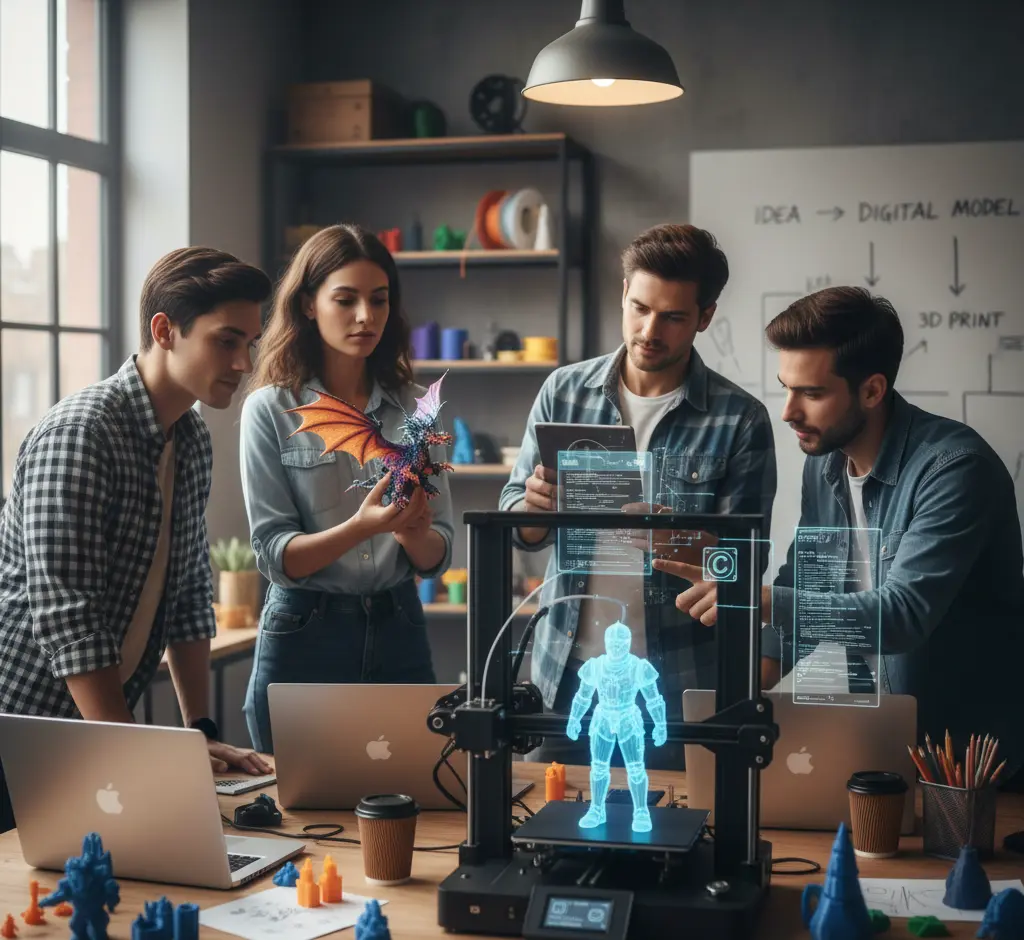
Even if you have the best intentions, the question “is it legal to 3d print figures” often leads to a grey area where rights holders may challenge your work. In 2026, most platforms like Etsy and Instagram use automated systems to scan for trademarked keywords and shapes. Here is how to navigate a legal dispute.
What is a DMCA Takedown Notice?
The Digital Millennium Copyright Act (DMCA) allows copyright owners to request the removal of infringing content from websites. If you receive one:
- Don’t Panic, But Act Fast: Remove the listing immediately. Leaving it up after a notice can be seen as “willful infringement,” which carries much higher penalties.
- Verify the Source: Check if the claim is coming from the actual brand (e.g., Games Workshop) or a competing seller trying to sabotage you.
- Check Your Licenses: If you have a valid Merchant License for that specific model, you can file a “Counter-Notice” to have the listing reinstated.
The 2026 “Safe Harbor” Strategy
To avoid these issues altogether, professional makers are adopting a “Safe Harbor” strategy. This involves building a brand that is independent of pop-culture trends.
- Avoid Trademarked Keywords: Instead of titling your product “Iron Man Figure,” use descriptive terms like “Sci-Fi Armored Soldier Model.” This prevents automated bots from flagging your store.
- Audit Your Library Regularly: Copyright laws and artist agreements change. Every six months, review your Patreon/Tribes subscriptions to ensure your Merchant Licenses are still active.
- Diversify Your Platforms: Don’t rely solely on one marketplace. If your Etsy shop gets flagged, having your own independent website (via Shopify or WooCommerce) gives you a backup and more control over your legal standing.
Professional Liability Insurance
In 2026, many 3D printing entrepreneurs are opting for Product Liability Insurance. This doesn’t just protect you if a print breaks and causes harm; some policies also offer “Intellectual Property Defense” coverage, which helps pay for legal fees if a major corporation decides to take you to court.
Moving away from “Fan Art” and toward “Original Creations” is not just a legal choice—it’s a business one. Original IPs are assets that you can eventually license out yourself, turning you from a maker into a creator.
Part 4: Frequently Asked Questions (The Quick-Reference Guide)
The legal landscape of 3D printing can be confusing. To help you navigate the “grey areas” of 2026, we’ve compiled the most frequent questions from the maker community. Feel free to screenshot the table below!
1. If an STL is free on Thingiverse, can I sell the print?
No. Being free to download does not mean it is free to monetize. Most free files are licensed under “Creative Commons – Non-Commercial.” You must check the license tab on the file page; if it says “NC,” you cannot sell the print without a separate agreement from the designer.
2. Can I sell “Fan Art” if I sculpted the model myself?
Legally, no. Even if the 3D work is 100% your own, the character’s likeness (the suit, the face, the name) is still the property of the brand owner. Companies like Disney or Nintendo have the right to shut down any commercial use of their characters, regardless of who sculpted the digital file.
3. Does a Merchant License protect me from big brands?
No. A Merchant License from a Patreon artist only gives you permission to sell the artist’s work. If that work is a fan art of a protected character (like a Stormtrooper), the artist cannot grant you rights that they don’t own. You are still at risk of a takedown from the original brand owner.
4. Is it legal to 3D print figures for my friends?
Generally, yes. If you are not running a business and only charging for the cost of material (or giving them as gifts), this usually falls under personal use. However, once you start advertising these services to the public, it becomes a commercial activity.
| The Activity | Is it Legal? | Risk Level |
| Printing for your own shelf | ✅ YES | 🟢 Low |
| Selling Original Designs (with License) | ✅ YES | 🟢 Low |
| Selling Fan Art (even with Artist License) | ❌ NO | 🔴 High |
| Selling “Public Domain” (e.g., Statues) | ✅ YES | 🟢 Low |
| Modifying a file to sell it | ❌ NO | 🔴 High |