

Part 1: Best Budget 3D Printers of 2026: Top Picks for Beginners
In this article, we answer the question of which are the “best budget 3d printers” in all its details. Not long ago, buying a “budget” printer meant constant tinkering and low-quality parts. However, in 2026, the landscape has changed. You can now get high-speed printing, auto-bed leveling, and even AI-assisted monitoring for under $300.
Whether you are a student, a hobbyist, or an entrepreneur on a budget, choosing the right machine is the first step toward a successful making journey.
1. What Defines a “Budget” Printer in 2026?
Today, “budget” no longer means “cheap.” A top-tier budget printer must offer:
- High Speed: At least 250mm/s to 500mm/s print speeds.
- Ease of Use: “Out-of-the-box” printing with minimal assembly.
- Reliability: Direct drive extruders and PEI spring steel plates.
2. Our Top Pick: The Efficiency King
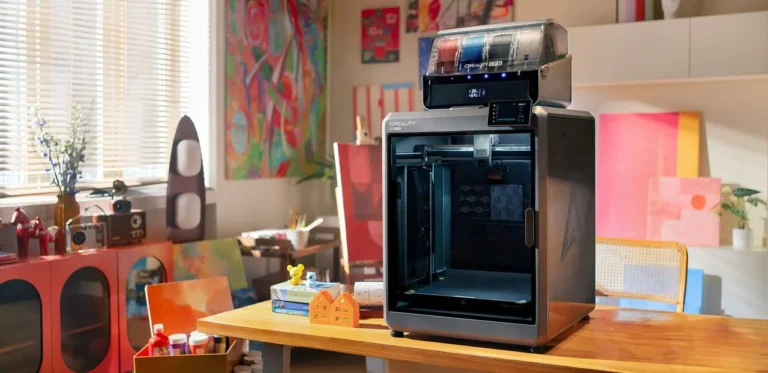
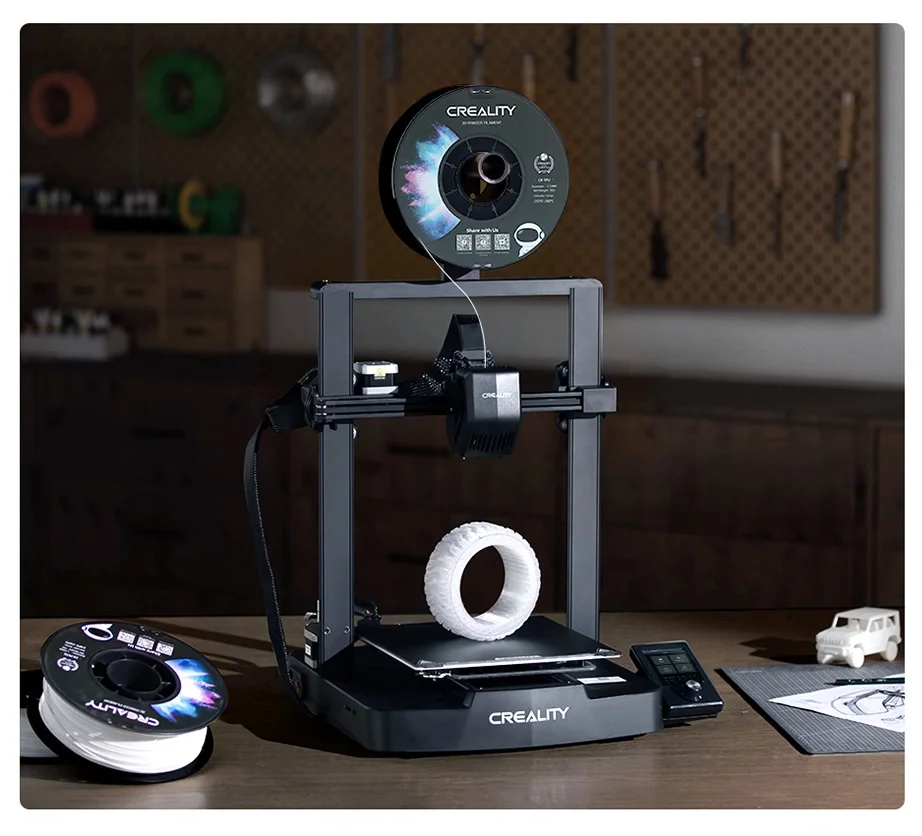
If you are looking for the absolute best balance between price and performance, modern entry-level models from brands like Creality (Ender series) and Anycubic (Kobra series) remain the champions. These machines now feature fully enclosed electronics and silent stepper drivers, making them perfect for bedroom workshops or small apartments.
3. Why This Is the Best Time to Buy
In 2026, the cost of core components like linear rails and high-torque motors has dropped significantly. This means budget printers today are more capable than the professional machines of five years ago. You are no longer sacrificing quality for price; you are simply choosing a more compact or streamlined tool.
Part 2: Essential Features and the Best Compact Budget Printers
When searching for the best budget 3d printers, price is important, but value is determined by the features included. In 2026, certain “luxury” features have become standard even in entry-level machines. If a printer lacks these, it’s not worth your investment.
1. Non-Negotiable Features for 2026
To ensure you aren’t buying outdated technology, look for these three things:
- Auto-Bed Leveling (ABL): Gone are the days of manual leveling with a piece of paper. Modern budget printers use sensors to map the bed automatically.
- Direct Drive Extruder: This allows you to print flexible materials like TPU much more reliably than older “Bowden” systems.
- PEI Magnetic Build Plate: These flexible sheets make removing finished prints effortless—you simply bend the plate and the part pops off.
2. The Best “Small Form Factor” Printers
If you have limited space, the 2026 market offers “mini” versions of flagship printers that pack incredible power into a small footprint.
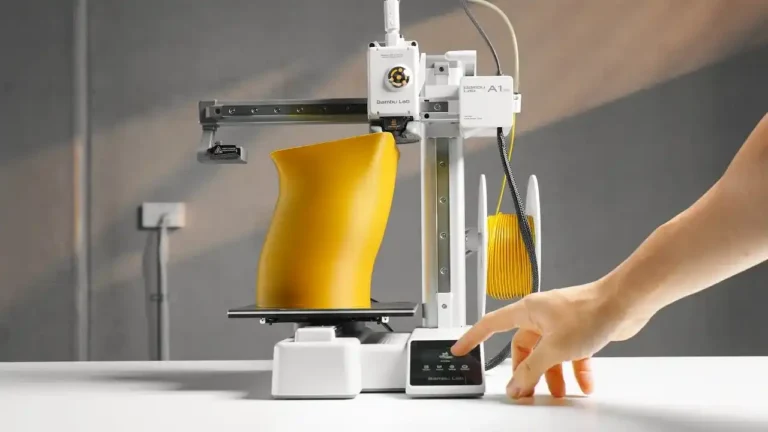
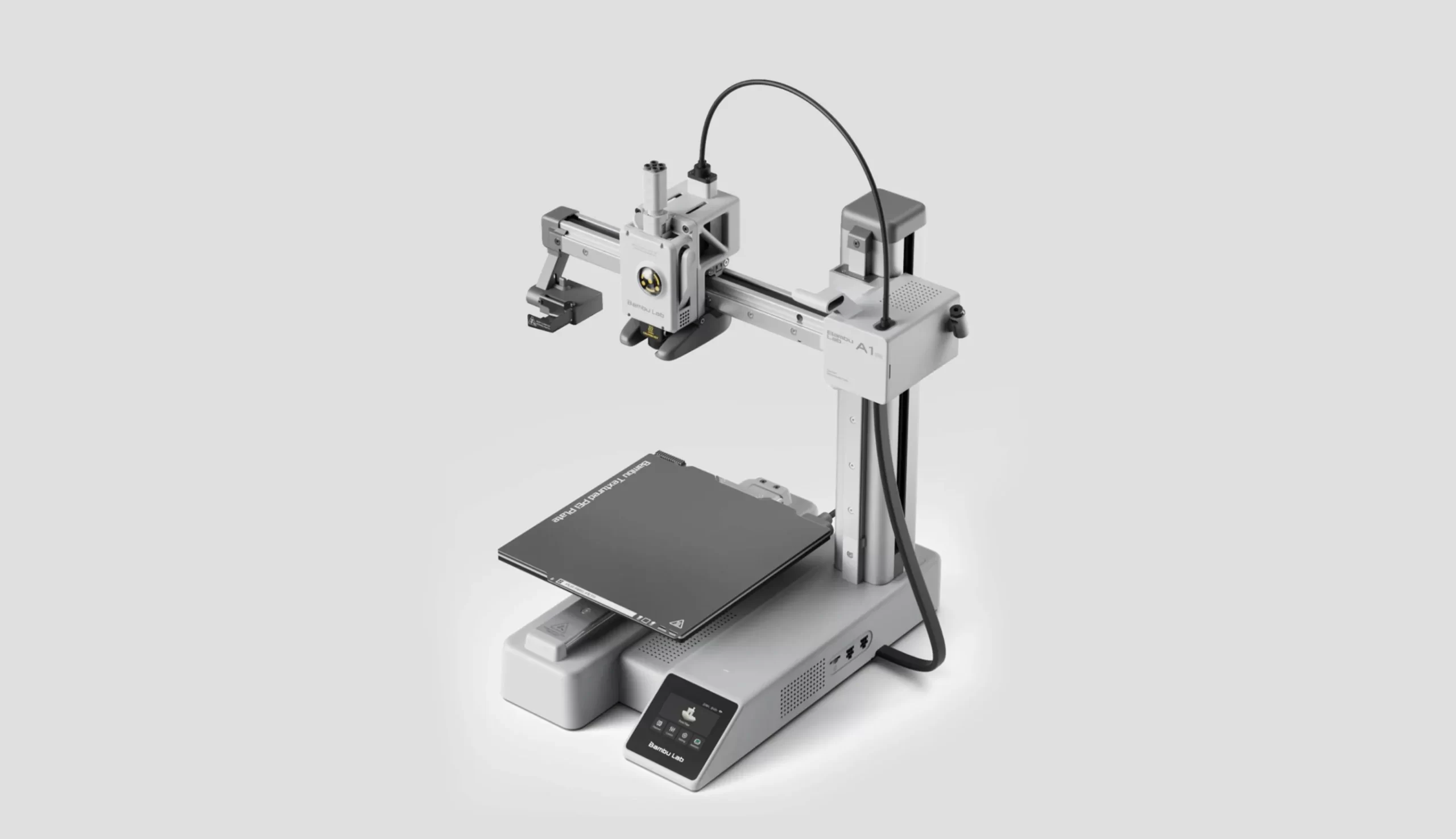
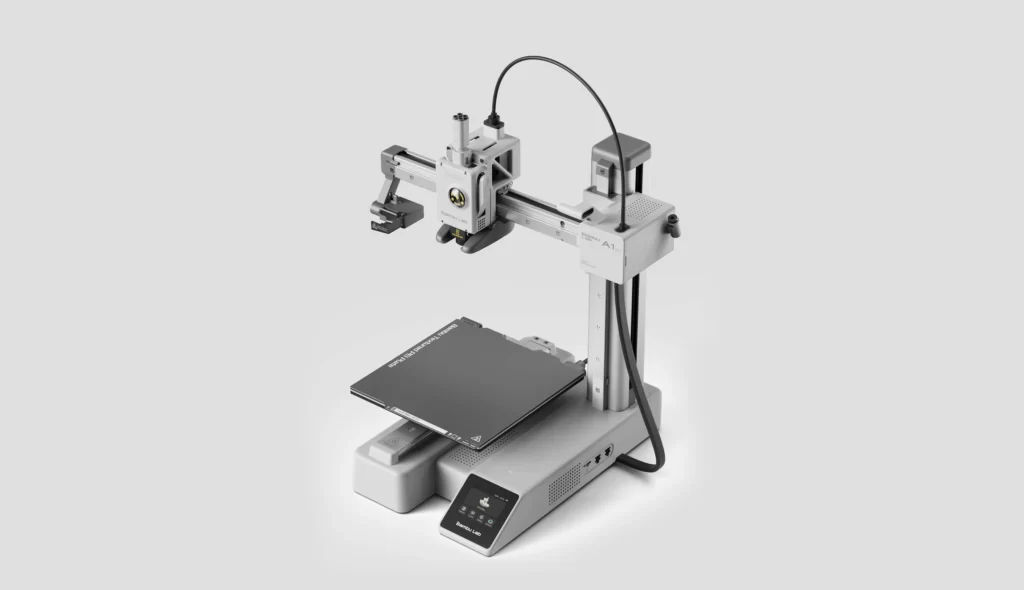
- Bambu Lab A1 Mini: This machine changed the budget game. It offers “plug-and-play” simplicity, high speeds, and an optional multi-color system (AMS Lite) for a very low price point.
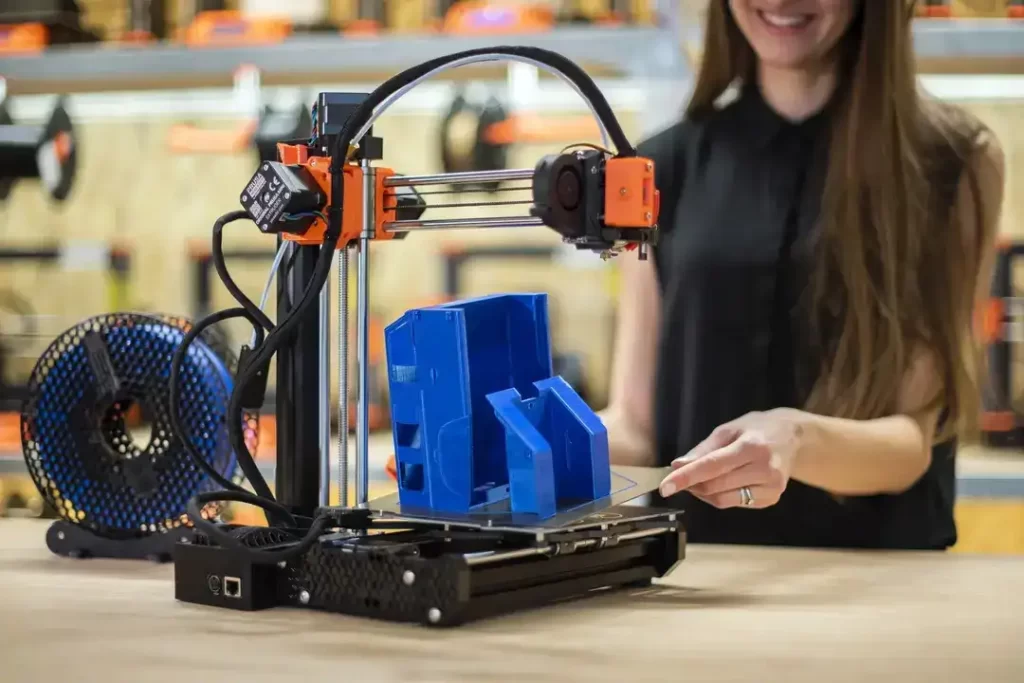
- Prusa MINI+ (Refurbished/Sale): While slightly older, its reliability and incredible community support make it a top choice for those who want a “set it and forget it” experience.
3. Speed vs. Stability
Many budget printers now claim speeds of 500mm/s. However, in the budget category, the frame’s stability is key. Look for printers with all-metal frames or dual Z-axis leadscrews. These prevent the printer from shaking at high speeds, ensuring your prints look smooth even when they are finished in record time.
Part 3: Go Big or Go Home: Best Large-Format Budget Printers
Most people assume that if you want to print large objects, you have to spend thousands of dollars. However, in 2026, the market for “Large-Format” best budget 3d printers has exploded. You can now find massive build volumes (300mm x 300mm x 300mm or larger) at prices that were previously reserved for tiny machines.
1. Why Size Matters in 2026
Printing a full-sized Mandalorian helmet or a drone frame in one single piece is much better than gluing smaller parts together. It increases structural strength and saves you hours of post-processing work (sanding and filling seams).
2. Top Large-Scale Contenders
- Anycubic Kobra 3 Plus/Max: These machines are famous for their massive beds and surprisingly high speeds. In 2026, they come equipped with vibration compensation, meaning your huge prints won’t have “ghosting” marks despite the heavy moving parts.
- Creality Ender-3 V3 Plus: Building on the legendary Ender legacy, the “Plus” versions offer a 300mm build plate with a very stable dual-motor Z-axis. It is the perfect “workhorse” for someone who needs to print big and often.
3. The Challenges of Large Printing
Before buying a large budget printer, keep these two things in mind:
- Bed Heating: Ensure the printer has a powerful enough power supply to heat a large bed quickly. Some budget machines take 10+ minutes just to reach 60°C.
- Filament Consumption: Large prints use a lot of material. When budgeting for your printer, remember to factor in the cost of 5kg or 10kg “bulk” filament rolls, which are much more economical for big projects.
Part 4: Maintenance and Longevity: Making Your Budget Printer Last
Buying one of the best budget 3d printers is only the first step. In 2026, the difference between a printer that lasts six months and one that lasts six years is regular maintenance. Since budget machines sometimes use slightly more affordable components, a little “TLC” (Tender Loving Care) goes a long way in maintaining professional print quality.
1. Routine Cleaning and Lubrication
- The Rails: Whether your printer uses V-slot wheels or linear rails, keep them clean. Dust and debris are the main causes of “layer shifts.” A quick wipe and a drop of synthetic grease every 100 hours of printing will keep movements smooth.
- The Nozzle: Budget nozzles can wear out faster, especially if you use “glow-in-the-dark” or carbon-fiber filaments. Keep a pack of spare 0.4mm brass nozzles handy—they are cheap and easy to replace.
2. Firmware Updates
In 2026, manufacturers frequently release software updates that improve print speeds or add new features like “Input Shaping” (which reduces vibrations). Always check the official website for the latest firmware to keep your budget machine at the cutting edge of technology.
3. The “Enclosure” Hack
Most budget printers are “open-frame.” If you want to print more advanced materials like ABS or ASA without buying a $1000 machine, you can buy or build a simple fabric enclosure. This keeps the heat in and prevents warping, instantly upgrading the capabilities of your budget printer.
Part 5: FAQ – Everything You Need to Know Before Buying
When looking for the best budget 3d printers, beginners often have the same concerns. To make your decision easier, we have compiled the most frequently asked questions in 2026.
1. Is a budget 3D printer worth it in 2026?
Absolutely. In 2026, the gap between “budget” and “premium” has narrowed significantly. Today’s budget printers include features like automatic bed leveling and high-speed printing that were only available on $1,000+ machines just a few years ago. For 90% of hobbyists, a budget printer is more than enough.
2. Can I print more than just plastic (PLA)?
Yes! Most modern budget printers come with “Direct Drive” extruders and heated beds. This allows you to print with PLA, PETG, and TPU (flexible filament). If you want to print high-temperature materials like ABS or Nylon, you may simply need to add a low-cost enclosure to keep the heat stable.
3. How much does it cost to run a budget 3D printer?
Beyond the initial cost of the machine, your main expenses will be:
- Filament: A standard 1kg roll costs between $15 and $25.
- Electricity: Most printers use about as much power as a laptop or a few lightbulbs.
- Maintenance: Spare parts like nozzles are very cheap (usually less than $1 each).
4. Are budget 3D printers hard to assemble?
Not anymore. In 2026, most budget printers are “90% pre-assembled.” You typically only need to tighten a few bolts and plug in a couple of cables. Most users can go from unboxing to their first print in less than 20 minutes.
5. Which is better for a beginner: FDM or Resin?
For a budget-conscious beginner, FDM (filament-based) is usually better. It is cleaner, the materials are cheaper, and the parts are more durable for functional use. Resin printers offer higher detail but require more safety equipment and a messy cleaning process.