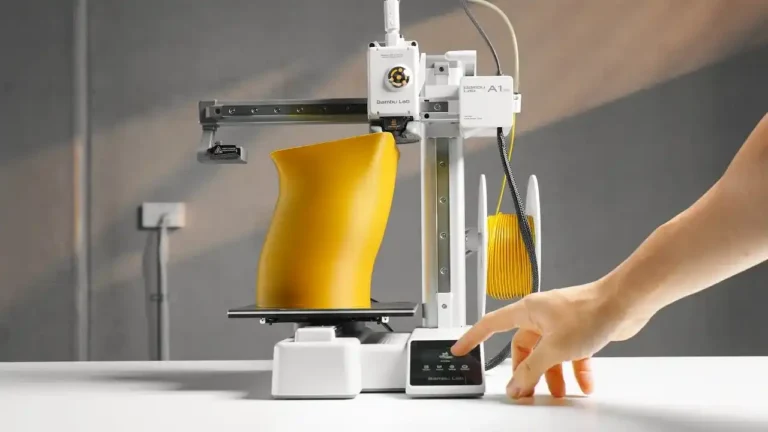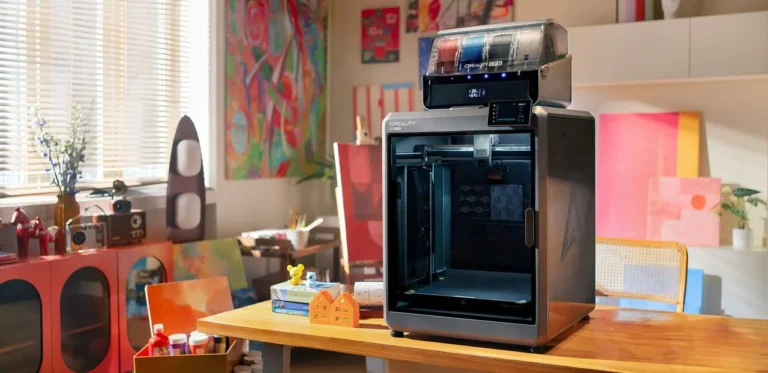


The 3D printing industry has reached full maturity in 2026. What was once a niche hobby has transformed into a global economy of “micro-factories” operated directly from people’s homes. If you are looking to make money with 3d printer from home, you are currently at the most critical decision point of your business journey: Bambu Lab or Creality? This choice is far more than just a brand preference; it is a strategic business decision that will dictate your operational costs, production speed, and ultimately, your profit margins. In this comprehensive guide, we dissect the 2026 flagship models, their software ecosystems, and the “hidden” costs of mass production to help you choose the right workhorse for your home business.
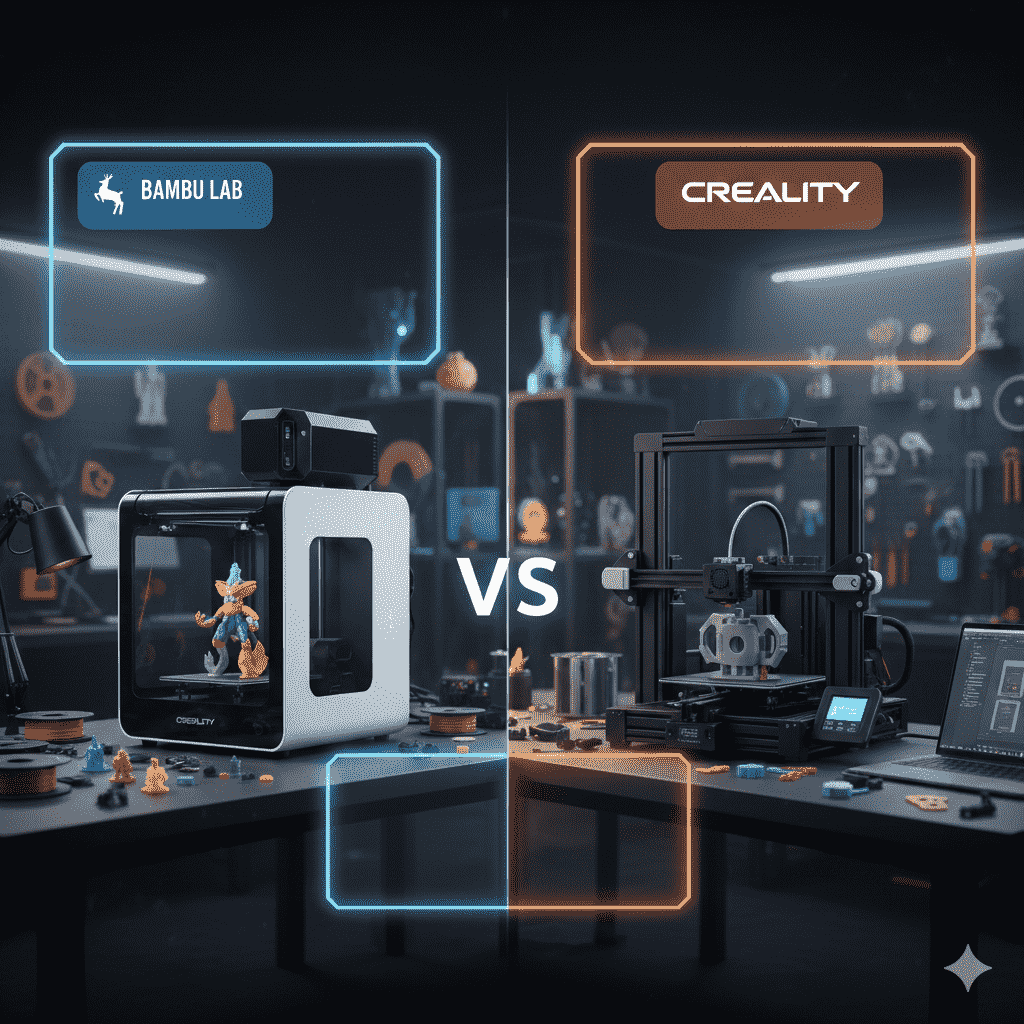
1. Mechanical Architecture and Speed: P2S vs. K2 Pro
In the world of mass production, every second counts. To successfully make money with 3d printer from home, your machine’s print speed is vital, but its “success rate” is even more critical.
Bambu Lab P2S & H2D Series: “Stability Beyond Speed”
Bambu Lab has perfected the CoreXY architecture in its 2026 lineup. The new P2S model reaches speeds of 650 mm/s while pushing vibration compensation (input shaping) to new heights.
- Active Resonance Control: Unlike older models that calibrate before a print, the P2S measures resonance during the print and makes real-time adjustments. This prevents “ghosting” or ringing even at top speeds.
- Hybrid Rail System: The P2S combines ultra-lightweight carbon fiber rails with high-precision steel linear rails, minimizing friction and ensuring longevity during 24/7 operation.
Creality K2 Pro & Plus: “Volume and Power”
Creality has taken the lessons learned from the K1 series and elevated the K2 Pro to industrial standards.
- Massive Build Volume: The Creality K2 Plus offers a 350x350x350 mm build area, significantly larger than Bambu Lab’s 256 mm cube. If your business model involves large items like cosplay helmets, large vases, or industrial prototypes, Creality gives you the advantage of printing in a single piece.
- Multi-Zone Heating: Creality uses a specialized heating bed divided into zones. This saves energy for small parts and prevents “warping” at the corners for massive prints—a common failure point in home manufacturing.
2. The Economy of Multi-Color Production: AMS 2 Pro vs. CFS
In 2026, multi-color printing is the single biggest factor for profitability. It eliminates the need for manual painting and post-processing, turning a “cheap plastic part” into a “professional consumer product.”
Bambu Lab AMS 2 Pro (Automatic Material System)
The AMS 2 Pro is a sealed, humidity-controlled ecosystem.
- Active Filament Drying: An integrated heater ensures the filament stays dry during the entire printing process. This is essential for materials like PETG or Nylon, which are prone to stringing when moist.
- Waste Management: Thanks to a new cutter design in the P2S toolhead, the amount of “poop” (filament waste during swaps) has been reduced by 45% compared to the 2024 models.
Creality CFS (Creality Filament System)
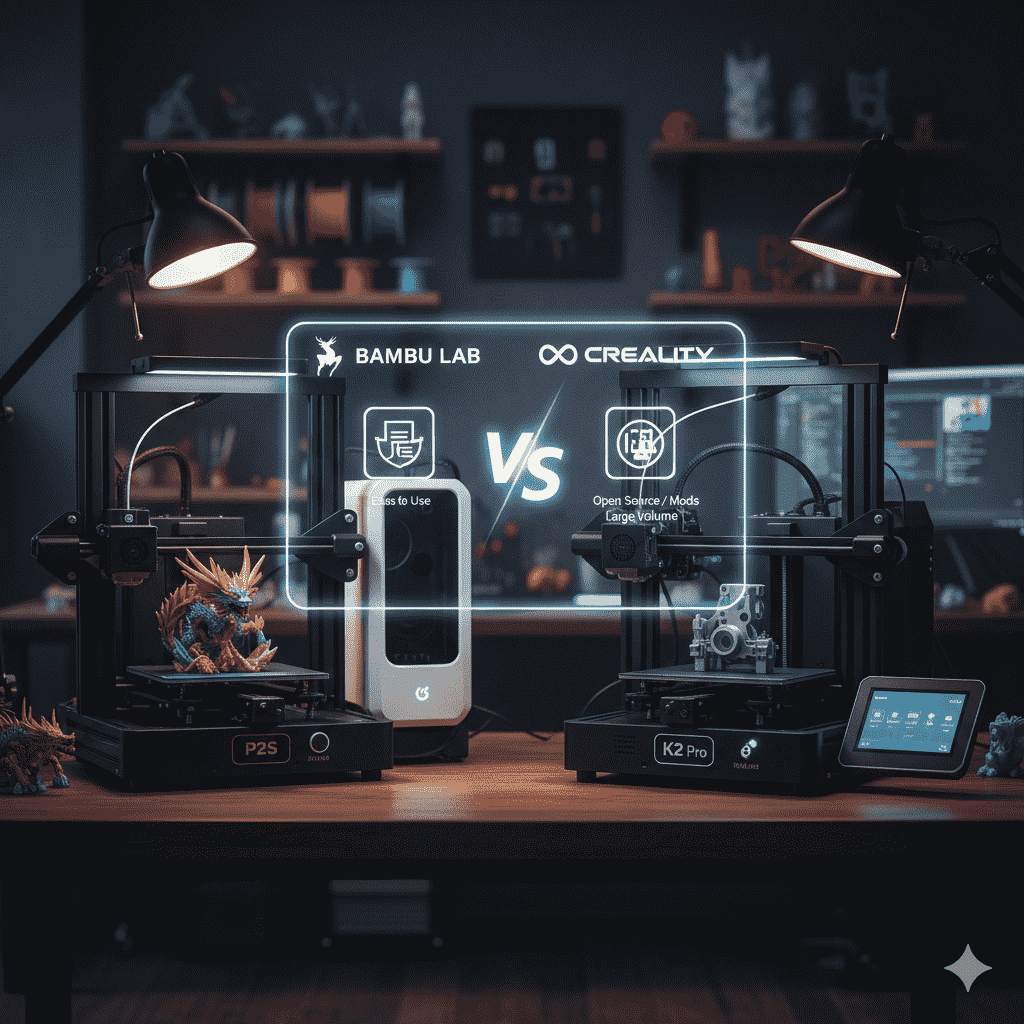
Creality’s answer, the CFS, is a more “open” system.
- Spool Compatibility: While the Bambu Lab AMS often struggles with cardboard or non-standard spools, the Creality CFS accepts almost any brand. This allows entrepreneurs to use cheaper filament, significantly lowering the “cost per gram” of their products.
- Speed: Color swap times are about 10% slower than Bambu Lab, but the initial hardware cost is 20% lower.
3. Total Cost of Ownership (TCO) and Maintenance
When you make money with 3d printer from home, the printer’s price tag is only the tip of the iceberg. You must consider the long-term maintenance costs.
| Feature | Bambu Lab (2026 Models) | Creality (2026 Models) |
| Setup (Out-of-the-Box) | 10 Minutes | 30 Minutes |
| Spare Parts Cost | Medium-High | Low |
| Self-Repairability | Modular (Easy but proprietary) | Fully Open (Requires skill) |
| AI Support | Very High (LiDAR 2.0) | High (AI Camera) |
Bambu Lab operates on the “Apple” philosophy. If a part breaks, you swap the entire module. Creality is more like “Linux”—you can tweak every screw. If you have limited technical time, Bambu Lab saves you hours that you can instead spend on marketing and sales.
4. Software and Farm Management
Operating a “Print Farm” of 5 to 10 printers requires robust software.
- Bambu Studio & Handy: The 2026 version features a “Multi-Printer Farm” interface. You can monitor every printer on one screen, seeing which one is low on filament or which one has finished. The AI camera detects “spaghetti” failures instantly and pauses the print, saving you from wasting an entire $30 spool of filament.
- Creality Cloud: Creality offers a community-driven ecosystem. Because it is built on Klipper, advanced users can write their own macros to automate the removal of parts from the bed, a feature that is difficult to implement on Bambu Lab’s closed system.
5. Which Printer for Which Niche?
To effectively make money with 3d printer from home, you must match the machine to your product line:
- Figures and Collectibles: Definitely Bambu Lab P2S. The surface quality and seamless color transitions are unmatched for high-detail aesthetics.
- Home Decor and Large Lamps: Creality K2 Plus. The build volume allows for large lampshades to be printed in one piece, avoiding ugly glue lines.
- Industrial Spare Parts: Bambu Lab X1-Carbon (2026) or Creality K2 Pro. Both feature hardened nozzle systems capable of printing abrasive materials like Carbon Fiber-reinforced Nylon.
6. Frequently Asked Questions (FAQ) – Rank Math Schema
Is Bambu Lab more expensive to run than Creality?
In terms of initial investment, yes. However, in mass production, the “success rate” of over 95% on Bambu Lab machines often leads to faster ROI (Return on Investment) because you waste less time and material on failed prints.
Can I build a print farm with Creality K2 Pro?
Absolutely. The K2 series has moved past the reliability issues of the older Ender models. For the budget of 10 Bambu printers, you could potentially run 14 Creality printers, giving you a higher total output if you are technically proficient.
Are these printers quiet enough for an apartment?
Bambu Lab uses active motor noise cancellation. While both brands are significantly quieter in 2026 than in previous years, the high-speed cooling fans remain audible. We recommend a dedicated room for a “farm.”
Conclusion: Who Wins in 2026?
The winner of the Bambu Lab vs. Creality battle depends entirely on your business philosophy.
- Choose Bambu Lab if you want to focus 100% on design and customer service without worrying about the mechanics of your machines. It is the “set-it-and-forget-it” choice for a high-speed business.
- Choose Creality if you want to optimize your budget, print large-scale items, and prefer a system that you can tinker with and repair for a lower cost.
Regardless of your choice, the year 2026 is the best time in history to make money with 3d printer from home. Choose your workhorse, pick your niche, and start your micro-factory today.