

Bambu Lab A1 Maintenance and Mechanical System Optimization
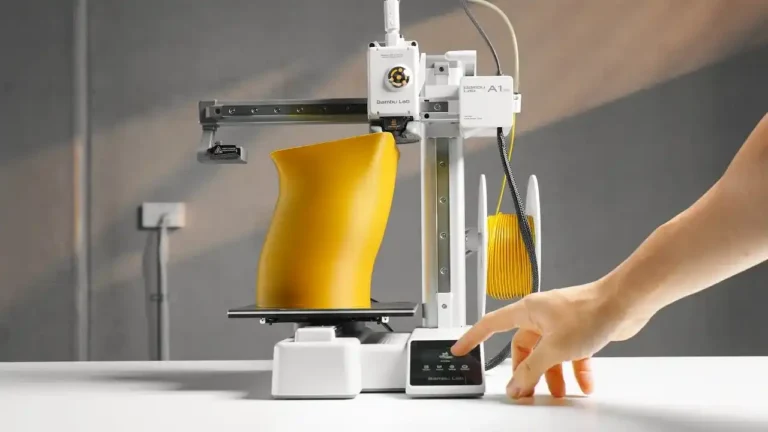
Bambu Lab A1 maintenance is the most critical process to ensure this high-speed machine continues to produce precise prints and to extend its mechanical lifespan. Unlike the enclosed X1 or P1 series, the A1 and A1 Mini feature an “open-frame” bed-slinger design, which makes them more susceptible to dust and environmental debris. Therefore, a professional Bambu Lab A1 maintenance routine involves more than just surface cleaning; it requires deep conditioning of the linear rails and moving components.
1. Cleaning and Lubricating the Stainless Steel Linear Rails
The most distinctive feature of the Bambu Lab A1 series is the use of stainless steel linear rails on the X and Y axes. The most common mistake in Bambu Lab A1 maintenance is leaving these rails dry or using the wrong type of lubricant.
- Removing Old Grease: Before applying new lubricant, any buildup of blackened old grease and dust must be removed using a lint-free cloth and isopropyl alcohol.
- Applying Lubricant: Only use lithium-based grease for these rails. After cleaning, apply a thin line of grease along the rail. Move the toolhead and heatbed manually across their full range to ensure the grease penetrates the internal bearings. Wipe off any excess; the rails should not look “wet” with oil but should have a thin, glossy film.
- Frequency: For heavy users, this should be done every 2 to 3 months to prevent friction-induced artifacts in your prints.
2. Z-Axis Lead Screw Condition
The vertical movement of the A1 and A1 Mini is driven by a lead screw. Keeping this screw clean is a vital part of Bambu Lab A1 maintenance to prevent “Z-banding”—those unwanted horizontal lines on the surface of your prints.
- Lead Screw Lubrication: After wiping the screw clean with a cloth, apply a small amount of grease to the threads. Move the build plate from the bottom to the very top to distribute the grease evenly.
- Pro Tip: Check for stray hairs or tiny filament scraps caught in the threads. These can cause the motor to skip or struggle, leading to layer shifts. A quick check with a pair of tweezers can save a 20-hour print.
3. Automatic Belt Tensioning and Vibration Calibration
The A1 series features an intelligent belt tension monitoring system. However, manual observation is still a key part of Bambu Lab A1 maintenance to spot mechanical fatigue.
- Mechanical Check: Inspect the belts for signs of fraying or “teeth” wear. If your printer displays a “Belt Tension Low” error, follow the official guide to loosen and retighten the tensioner screws.
- Recalibration: Any time you adjust the belts or move the printer to a new surface, you must run the “Vibration Compensation” test. The A1 uses advanced algorithms to cancel out motor resonance, and this software-side Bambu Lab A1 maintenance ensures your prints stay smooth at 500 mm/s speeds.
Bambu Lab A1 Maintenance: Extruder Components and AMS Lite Care
Effective Bambu Lab A1 maintenance extends beyond the frame of the printer. To ensure consistent extrusion and flawless multi-color transitions, you must pay close attention to the consumable parts within the toolhead and the external AMS Lite unit. In this section, we will break down the essential steps for maintaining the “business end” of your printer.
1. Filament Cutter Replacement: Ensuring Clean Swaps
The A1 series uses a mechanical lever to cut the filament during every color change or at the end of a print. A dull blade is a common cause of loading failures, making its inspection a vital part of Bambu Lab A1 maintenance.
- The Warning Signs: If you notice “failed to pull back filament” errors or if the filament tip looks crushed rather than cleanly sliced, your cutter is likely dull.
- Replacement Procedure: Accessing the cutter is simple—unscrew the single retaining screw on the side of the toolhead. Bambu Lab recommends checking the blade every 3–5 spools of filament. A sharp blade prevents clogs in the hotend and ensures the filament can travel freely through the PTFE tubes back to the AMS Lite.
2. Nozzle and Hotend Health: Preventing Clogs
The Quick Swap hotend system on the A1 is a game-changer, but it still requires regular Bambu Lab A1 maintenance to prevent heat creep and partial clogs.
- Cold Pull Technique: If you experience under-extrusion, perform a “Cold Pull.” Heat the nozzle to 220°C, push filament in, drop the temp to 100°C, and pull it out quickly. Buildup inside the nozzle can ruin a print’s surface finish.
- Cleaning the Exterior: Use a brass wire brush to clean the heater block while it is hot. Ensure the silicone sock is intact; a torn sock can lead to temperature fluctuations and “Thermal Runaway” errors, which can stop your print mid-way.
3. AMS Lite Maintenance: The Heart of Multi-Color Printing
Because the AMS Lite is an open system, it collects more dust than the enclosed AMS units found on the X1 series. This makes specialized Bambu Lab A1 maintenance for the feeder units essential.
- Feeder Gear Cleaning: Small particles of filament dust can accumulate in the feeder gears over time. This dust reduces the gears’ grip, leading to slipping. Every month, use compressed air to blow out the feeder units to keep the drive gears clean and efficient.
- PTFE Tube Inspection: Check the four PTFE tubes leading from the AMS Lite to the toolhead. Over thousands of swaps, the ends of these tubes can wear down, increasing friction. Ensure the tubes are routed in a gentle curve; sharp bends are a leading cause of “Motor Overload” errors during filament loading.
4. Final Calibration: Syncing Hardware and Software
The final step in any Bambu Lab A1 maintenance routine is re-syncing the machine’s sensors. After you have tightened screws, lubricated rails, or replaced a cutter, the printer’s physical dynamics change slightly.
- Full Self-Calibration: Navigate to the settings menu and run a “Full Calibration.” This 15-minute process recalibrates the bed leveling, vibration compensation (input shaping), and motor noise cancellation. Running this after maintenance ensures that your “refreshed” hardware is perfectly tuned to the printer’s firmware.
Bambu Lab A1 Maintenance – Frequently Asked Questions (FAQ)
To conclude our guide, we’ve gathered the most common questions from the community regarding the upkeep of the A1 and A1 Mini. These answers will help you troubleshoot quickly and keep your machine in top shape.
1. What happens if I neglect Bambu Lab A1 maintenance?
Neglecting regular Bambu Lab A1 maintenance can lead to several issues: increased friction on the linear rails can cause motor overheating and “vibration ringing” on print surfaces. Furthermore, a dull filament cutter can cause repeated clogs, potentially damaging the internal extruder gears over time.
2. Is any grease suitable for the A1 Mini linear rails?
No. For proper Bambu Lab A1 maintenance, you should only use a high-quality lithium-based grease (like the BX-300/F grease provided with the printer). Avoid using WD-40 or thin machine oils, as these are volatile and do not provide the necessary protective film for high-speed linear bearings.
3. Why is AMS Lite cleaning a vital part of Bambu Lab A1 maintenance?
Since the AMS Lite is an open system, it easily attracts household dust and filament debris. If the feeder gears become clogged with dust, they lose their grip on the filament, leading to “failed to load filament” errors during multi-color prints. A quick monthly cleaning ensures 99% reliability during color swaps.
4. Do I need to calibrate after every Bambu Lab A1 maintenance session?
Yes, it is highly recommended. After performing any Bambu Lab A1 maintenance that involves tightening belts, lubricating rails, or changing a nozzle, the mechanical resistance of the printer changes. Running a “Full Self-Calibration” allows the software to re-map these physical changes, ensuring the Vibration Compensation remains accurate.
5. How do I clean the heatbed for the best adhesion?
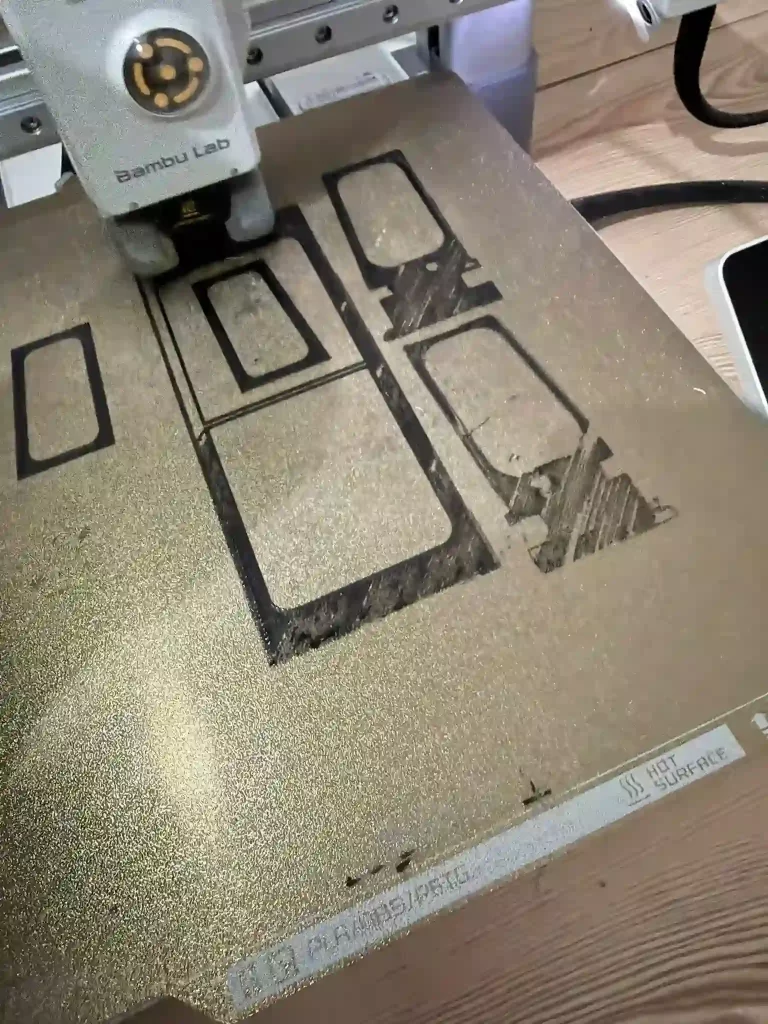
While alcohol is great for quick cleans, the best Bambu Lab A1 maintenance for the PEI plate is washing it with warm water and plain dish soap. This removes sugar residues from filaments and skin oils that alcohol sometimes only spreads around, restoring the plate’s “stickiness.”