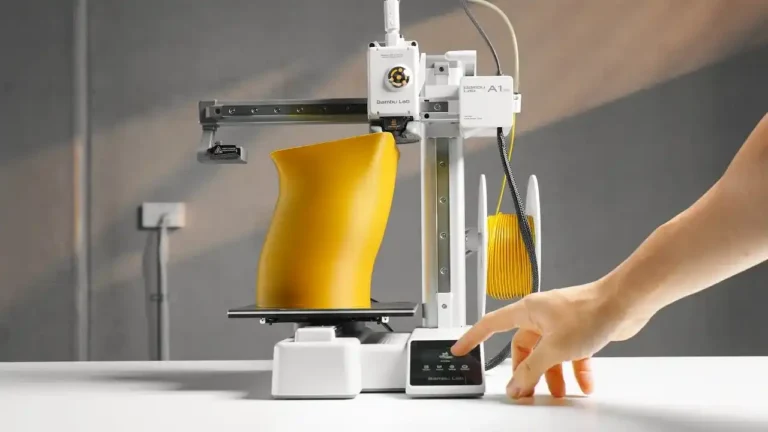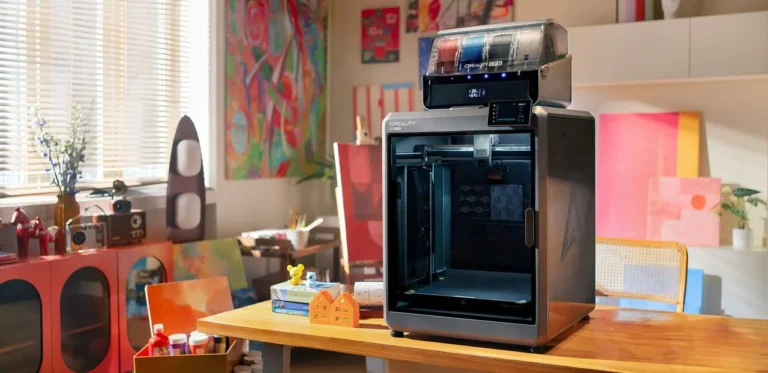


A 3D printing license defines the legal rights required to sell 3D printed products commercially using a 3D printer. As online marketplaces such as Etsy, Amazon, and Shopify continue to grow, more creators are turning 3D printing into a business. However, many sellers unknowingly violate copyright laws by selling products made from unlicensed 3D models.
This guide explains what a 3D printing license is, why it is essential for commercial sales, which license types allow selling physical products, and how to build a legal and sustainable 3D printing business.
What Is a 3D Printing License?
A 3D printing license is a legal agreement that determines how a 3D model file such as STL, OBJ, or STEP can be used. The license clearly states whether the model can be printed for personal use only or sold as a physical product.
Downloading a 3D model does not automatically grant the right to sell printed items. Commercial rights must be explicitly included in the license terms.
Why a 3D Printing License Is Important
A valid 3D printing license protects sellers from legal and financial risks. Without proper licensing, sellers may face copyright infringement claims, DMCA takedowns, or permanent account bans on major marketplaces.
Platforms like Etsy and Amazon actively enforce intellectual property policies. Even a single violation can result in store suspension or loss of earnings.
Types of 3D Printing Licenses
There are several common types of licenses used in 3D printing.
Personal use licenses allow printing for private purposes only and strictly prohibit selling printed products.
Commercial use licenses allow sellers to produce and sell physical items created from the model. However, reselling the digital file is usually not permitted.
Extended or premium licenses may allow mass production, branding, and use in large-scale commercial operations.
What Does a Commercial 3D Printing License Mean?
A commercial 3D printing license gives the seller permission to sell physical products made from a specific 3D model. This is the type of license required for selling on Etsy, Amazon, or through a personal online store.
Most commercial licenses allow selling printed objects but do not allow sharing or reselling the digital design file.
Do You Need a License to Sell 3D Prints on Etsy?
Yes. A 3D printing license is mandatory for selling on Etsy.
Etsy takes copyright violations seriously and responds quickly to complaints. Sellers who use unlicensed models risk having their listings removed, funds frozen, or accounts permanently closed.
To sell legally on Etsy, the seller must either own the design or hold a valid commercial license.
3D Printing License Rules on Amazon and Other Platforms
Amazon applies even stricter intellectual property rules than Etsy. Sellers may be asked to provide proof of licensing at any time.
Other platforms such as eBay and Shopify also require sellers to comply with copyright laws. For multi-platform sellers, keeping license documentation is essential.
Creative Commons Licenses Explained for 3D Printing
Many 3D models are distributed under Creative Commons licenses.
Some Creative Commons licenses allow commercial use, while others do not. Any license containing “Non-Commercial” explicitly forbids selling printed products.
Only licenses that clearly allow commercial use are suitable for selling 3D prints.
Are Free STL Files Really Free to Sell?
In most cases, no.
Free STL files are often free to download but restricted to personal use. Sellers must always review the license terms before using a free file for commercial purposes.
Risks of Selling 3D Prints Without a License
Selling 3D printed products without a valid license can result in serious consequences, including DMCA takedown notices, account bans, loss of revenue, and legal disputes.
Assuming that violations will go unnoticed is risky and often leads to long-term damage.
How to Check a 3D Model License
Before selling any 3D printed product, sellers should carefully review the license information on the model’s download page.
If the license terms are unclear, contacting the designer directly and obtaining written permission is recommended. License documentation should always be saved as proof.
What to Look for When Buying a 3D Printing License
When purchasing a 3D printing license, sellers should confirm that commercial use is explicitly allowed, physical product sales are permitted, and no hidden restrictions exist.
One-time commercial licenses are often more cost-effective than recurring subscriptions.
Selling Your Own 3D Designs
If the seller created the 3D model themselves, they automatically own the copyright and do not need to purchase a license.
However, keeping design files and creation records helps protect against potential disputes.
Benefits of Selling with a Proper 3D Printing License
Selling with a valid license provides legal protection, marketplace compliance, and long-term business stability.
Licensed sellers are perceived as more professional and face fewer disruptions when scaling their business.
Frequently Asked Questions
Can I sell 3D prints made from free STL files?
Only if the license explicitly allows commercial use.
Can one license be used for multiple stores?
This depends on the specific license terms.
Is attribution required?
Some licenses require crediting the original designer.
Conclusion
A 3D printing license is the foundation of a legal and sustainable 3D printing business. Selling without proper licensing exposes sellers to unnecessary risks that can end a business overnight.
If you plan to monetize 3D printing, licensing should be treated as a core business requirement, not an afterthought.