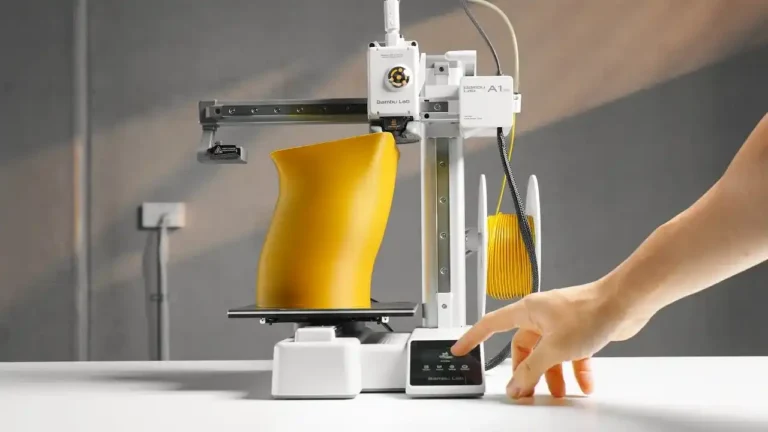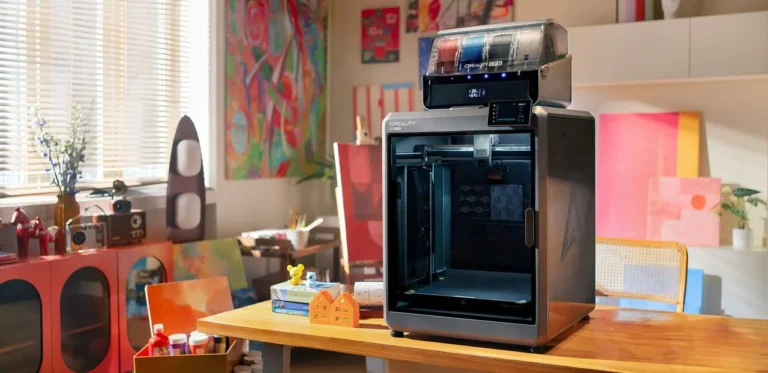


Buying a 3D printer has become more accessible than ever.
In 2026, budget 3D printers are no longer limited to hobbyists — they are widely used by engineers, designers, startups, and small workshops.
However, once real-world usage begins, most users face the same two critical questions:
- Is buying a cheap 3D printer actually worth it?
- Is owning a 3D printer cheaper than using a professional 3D printing service?
In this comprehensive guide, we analyze the best budget 3D printers of 2026, explain the real cost of 3D printing, and explore practical alternatives for users who want parts — not printer problems.
This article is optimized for searches such as best budget 3D printers, cheap 3D printer worth it, 3D printing cost, budget 3D printer comparison, and 3D printer vs printing service.
What Is a Budget 3D Printer?
A budget 3D printer typically refers to a machine that:
- Targets beginners or intermediate users
- Uses FDM/FFF technology
- Works with common filaments like PLA, PETG, or ABS
- Requires some manual calibration and tuning
- Has a relatively low purchase price
However, a low purchase price does not always mean low total cost.
The key concept many users overlook is:
Total Cost of Ownership (TCO)
This includes not only the printer itself, but also time, failed prints, maintenance, and material waste.
7 Key Factors That Determine the Real Cost of 3D Printing
When people ask “How much does 3D printing cost?”, the answer depends on far more than the printer model.
1) Material and Consumables
- Filament price per kilogram
- PLA vs PETG vs ABS cost differences
- Waste caused by failed prints or poor-quality filament
- Nozzles, build plates, PTFE tubes, and replacement parts
2) Printing Time
Budget printers are often reliable but slower.
Long print times increase:
- Energy consumption
- Machine wear
- Failure risk
- Opportunity cost (machine blocked for hours)
3) Electricity Usage
Heated beds and long print cycles can noticeably increase electricity costs, especially for ABS or PETG prints.
4) Failed Prints (Scrap Rate)
One of the biggest hidden costs.
Common causes:
- Bed adhesion issues
- Warping and layer separation
- Incorrect slicer settings
- Mechanical calibration problems
For beginners, 1 out of every 3–4 prints failing is not unusual.
5) Calibration and Maintenance Time
Budget printers often require:
- Manual bed leveling
- Regular tuning
- Firmware and slicer adjustments
This time investment has a real cost, especially for businesses.
6) Part Quality and Tolerances
Some applications tolerate rough surfaces. Others do not.
Critical use cases:
- Mechanical fits
- Functional brackets
- Enclosures and snap-fit parts
Higher quality requirements = higher cost and higher difficulty on budget machines.
7) Intended Use (Prototype vs Final Part)
A prototype may be acceptable straight off the printer.
A final product often requires post-processing such as sanding, priming, or painting.
The Best Budget 3D Printers of 2026 (By Use Case)
There is no single “best” budget 3D printer for everyone.
The right choice depends on how and how often you print.
A) Best Budget 3D Printers for Beginners
Key priorities for beginners:
- Easy setup
- Automatic bed leveling
- Stable printing
- Large user community and tutorials
Popular ecosystems in this category include:
- Creality entry-level platforms
- Anycubic Kobra series
- Elegoo Neptune series
Best for:
- Hobbyists
- Students
- First-time users
Not ideal for:
- Users needing consistent production-grade results
B) Best Value-for-Money 3D Printers (Frequent Users)
This group looks for:
- Minimal tuning
- Reasonable speed
- Repeatable print quality
Key considerations:
- Frame rigidity
- Bed flatness and heating consistency
- Mature slicer profiles
- Spare part availability
At this level, users start asking:
“Can I actually rely on this printer for regular production?”
C) Budget 3D Printers for Small Businesses
For businesses, time equals money.
Important factors:
- Repeatability
- Low downtime
- Predictable output quality
- Fast maintenance and support
Smart strategy:
Instead of relying on a single cheap printer, many businesses combine:
- One reliable in-house printer
- Professional 3D printing services for critical jobs
This hybrid approach often reduces risk and total cost.
How to Calculate Real 3D Printing Costs (Without a Calculator)
Even without a dedicated tool, realistic cost estimation follows a clear logic.
1) Material Cost
Simple formula:
- Part weight × cost per gram
Example:
- 1 kg PLA = $20 → $0.02 per gram
- 150 g part = $3
Then add:
- 10–25% extra for supports and waste
2) Time Cost
An 8-hour print means:
- Electricity usage
- Machine occupation
- Increased failure risk
Businesses often assign an hourly machine rate to reflect this.
3) Failure Risk
Longer prints = higher risk.
This risk should be priced in, especially on budget machines.
4) Post-Processing
Includes:
- Support removal
- Sanding
- Assembly
- Surface finishing
These steps often turn “cheap prints” into expensive ones.
3D Printer vs 3D Printing Service: Which Is Cheaper?
When Buying a 3D Printer Makes Sense
- You print frequently
- You enjoy tuning and troubleshooting
- Moderate surface quality is acceptable
- You can tolerate failed prints
When a 3D Printing Service Is the Better Option
- Low-volume or one-off parts
- High quality or tight tolerances
- Limited time
- Deadline-sensitive projects
Reality check:
For many users, owning a printer only becomes cost-effective after dozens or hundreds of successful prints.
Smart Alternatives: Producing Parts Without Owning a Printer
This is where many users find the best balance.
1) Professional 3D Printing Services
Benefits include:
- Industrial-grade machines
- Material and technology guidance
- Quality control
- No scrap or failed prints
2) Rapid Prototyping Services
During product development:
- Designs change frequently
- Speed matters more than ownership
Outsourcing often accelerates development.
3) Spare Parts and Custom Components
Tight tolerances and mechanical fits are often easier to achieve through professional services than with home printers.
Frequently Asked Questions
Is a cheap 3D printer worth it?
It depends on usage frequency. For occasional prints, services are often cheaper and more reliable.
How much does 3D printing really cost?
Real cost includes material, time, electricity, failures, and post-processing.
What is the best budget 3D printer?
There is no universal best. The right choice depends on experience level and use case.
Is a 3D printing service more expensive?
For low volumes, it is often cheaper than owning a printer.
Final Thoughts: The Cheapest Printer Is Not Always the Best Choice
In 2026, budget 3D printers offer impressive capabilities.
But the smartest decision is not about price alone — it is about time, reliability, and real cost.
Before buying a printer, ask yourself:
- How often will I print?
- What quality do I need?
- Do I want to troubleshoot machines or focus on parts?
In many cases, using a professional 3D printing service is the most efficient and economical solution.